Cart
0
You may also like
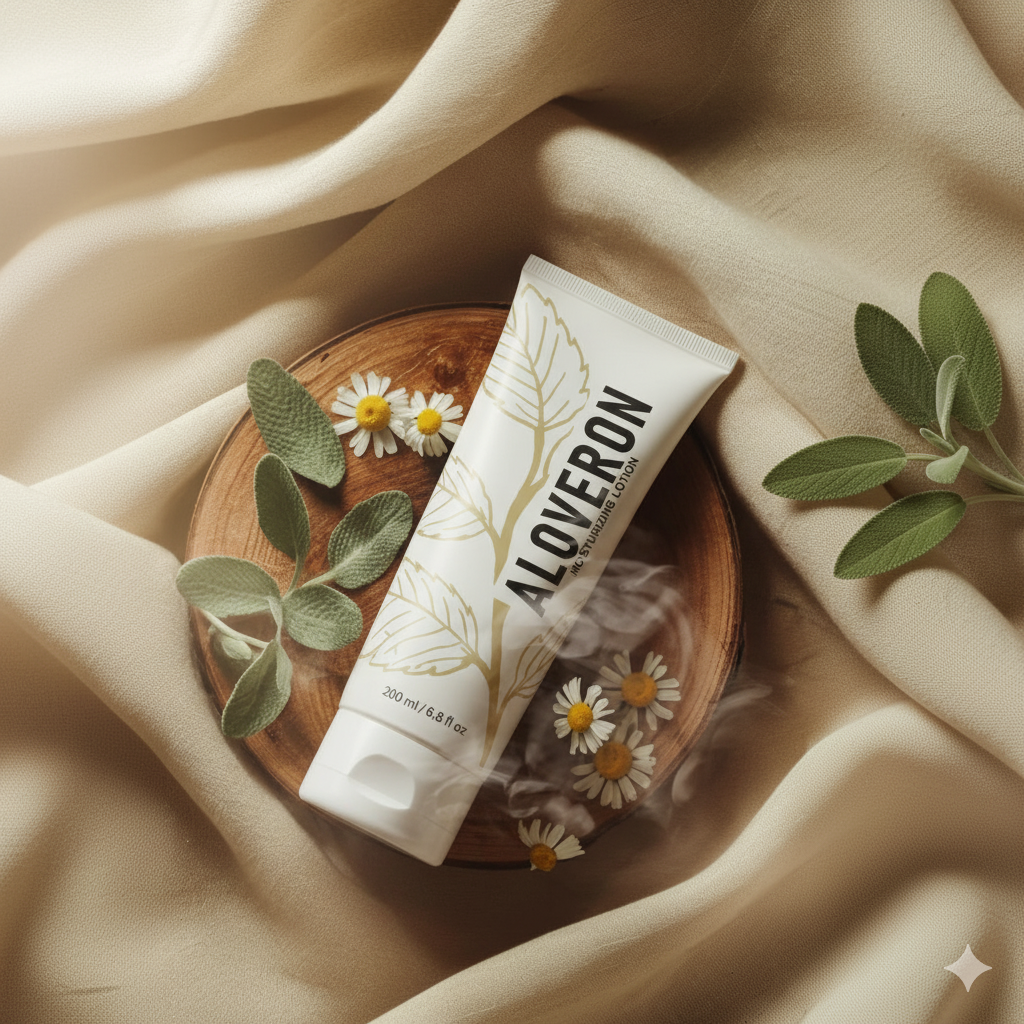
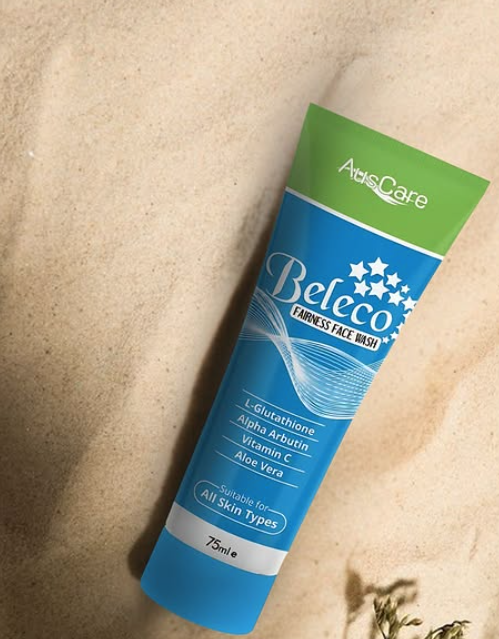


A moisturiser is essential to any skincare regimen. It keeps skin smooth and comfortable, protects the skin barrier, and helps seal in moisture. However, when using moisturiser, many people mistakenly make small skincare mistakes.
These mistakes can reduce the effectiveness or even result in irritation, dryness, or breakouts.
Understanding the skincare mistakes to avoid when using moisturiser can help improve overall skin health and results.
Selecting a moisturiser that is inappropriate for the skin type is one of the most common mistakes. Light gels might not properly hydrate dry skin, while heavy creams might clog pores on oily skin. Maintaining balance and comfort requires choosing a moisturiser according to skin type.
Hydration may be limited when moisturiser is applied to dry skin. Slightly damp skin makes it easier to retain moisture. Improved absorption and longer-lasting hydration are possible when moisturiser is applied immediately after cleansing.
While using too little moisturiser may not adequately hydrate, using too much can feel greasy and clog pores. For the face, a pea-sized quantity is typically sufficient to keep the skin hydrated without excess.
A common misconception about skincare is that oily skin doesn't require moisturiser. The skin may produce even more oil if moisturiser is skipped. Moisturisers that are oil-free and lightweight maintain balance without clogging pores.

The neck and under-eye area are often ignored during moisturising. These areas are delicate and prone to dryness and early signs of ageing. Applying moisturiser gently to these areas helps maintain even hydration.
In the morning, moisturiser should be used before sunscreen but after cleansing and serums. When products are used out of order, their effectiveness can be reduced, and proper absorption can be prevented.
The weather affects skin needs. If you use the same moisturiser all year round, you may experience excessive oil in the summer or dryness in the winter. Healthy skin is supported by varying the texture of moisturisers according to the season.
Skincare products that have expired may become less effective or irritate skin. Checking expiry dates and texture changes helps avoid unnecessary skin reactions.
Rubbing moisturizer aggressively can irritate the skin. Gently pressing or patting the product allows better absorption and reduces sensitivity.
Sunscreen should always be applied after moisturiser in the morning. Even if a moisturiser has hydrating ingredients, skipping sunscreen leaves skin vulnerable to UV damage.
Using a broad-spectrum sunscreen, like UV Protecc, helps shield the skin from UV rays and keeps moisture from evaporating throughout the day.
The proper application of moisturiser consists of:
First, cleansing the skin
Applying moisturizer on slightly damp skin
Using gentle, upward motions
Letting it absorb before using makeup or sunscreen
These steps improve hydration and skin comfort.

Dry skin: Cream-based, hydrating formulas
Oily skin: Lightweight, gel or oil-free moisturizers
Combination skin: Balanced, non-greasy textures
Sensitive skin: Fragrance-free, soothing formulations
Yes, using the wrong type or applying too much can clog pores, especially for acne-prone skin.
Yes, nighttime moisturising supports skin repair and hydration while sleeping.
Daily use helps maintain the skin barrier and prevents dryness or irritation.


